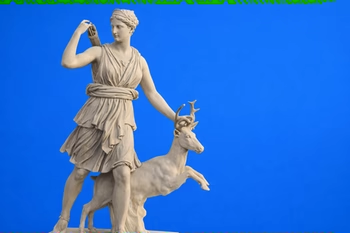
Why Is Artemida Named After a Goddess? Exploring Greece’s Mythological Coast
Artemis was one of the most important deities in the Greek pantheon. She was the daughter of Zeus, ruler of the gods, and Leto, and the twin sister of Apollo. Her birth is tied to a dramatic myth: persecuted by the jealous Hera, Leto was unable to find refuge anywhere on the mainland to give birth. Only the island of Delos offered her shelter.
According to legend, Artemis was born first and, remarkably, helped her mother deliver Apollo moments later. This story explains one of the goddess’s great paradoxes - although she chose eternal virginity, Artemis became a powerful protector of women in childbirth and a patron of midwives. Above all, Artemis embodied wild, untamed nature. She ruled forests, mountains, and wild animals, especially the young and vulnerable. Zeus gifted her a bow and arrows and the short tunic of a huntress, symbols of freedom and independence. In myths, Artemis appears stern and uncompromising toward anyone who violated natural balance or disrespected the gods, yet she was also a fierce guardian of the weak and a keeper of cosmic order.
A lesser-known but crucial aspect of her cult involved the transition from childhood to adulthood. Artemis watched over girls as they crossed that delicate boundary into maturity. Rituals in her honor prepared young women for their future roles in society. The most important center of this worship in Attica was the sanctuary at Brauron, located just a short distance from modern Artemida. It was there that young girls, known as the “bears of Artemis,” took part in symbolic rites of purification and growth.
Over time, Artemis also became associated with the moon and the rhythms of nature, absorbing qualities of the moon goddess Selene. This connection emphasized her link to life cycles - birth, growth, maturity, and death - those moments when humans feel closest to the sacred.
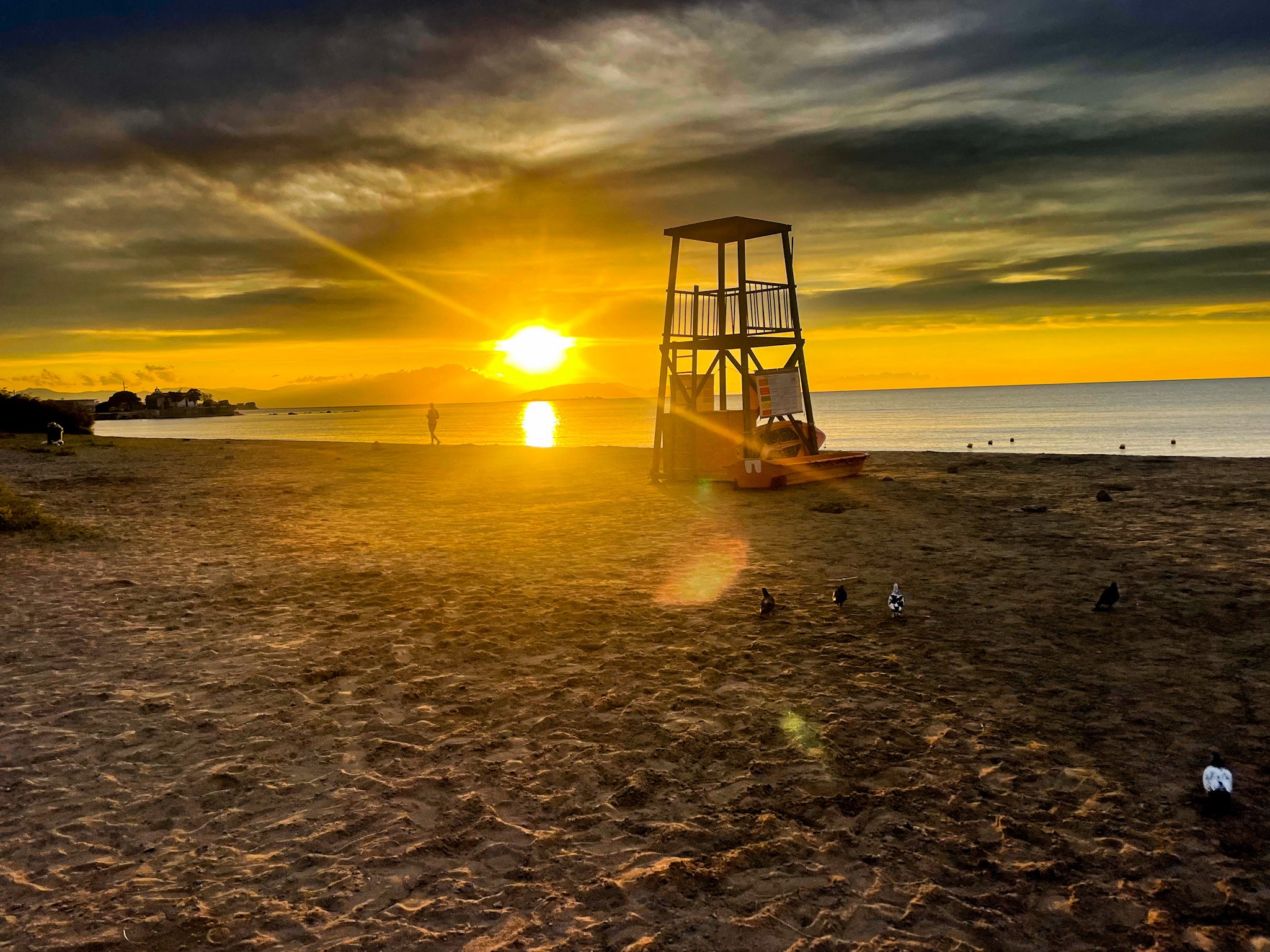
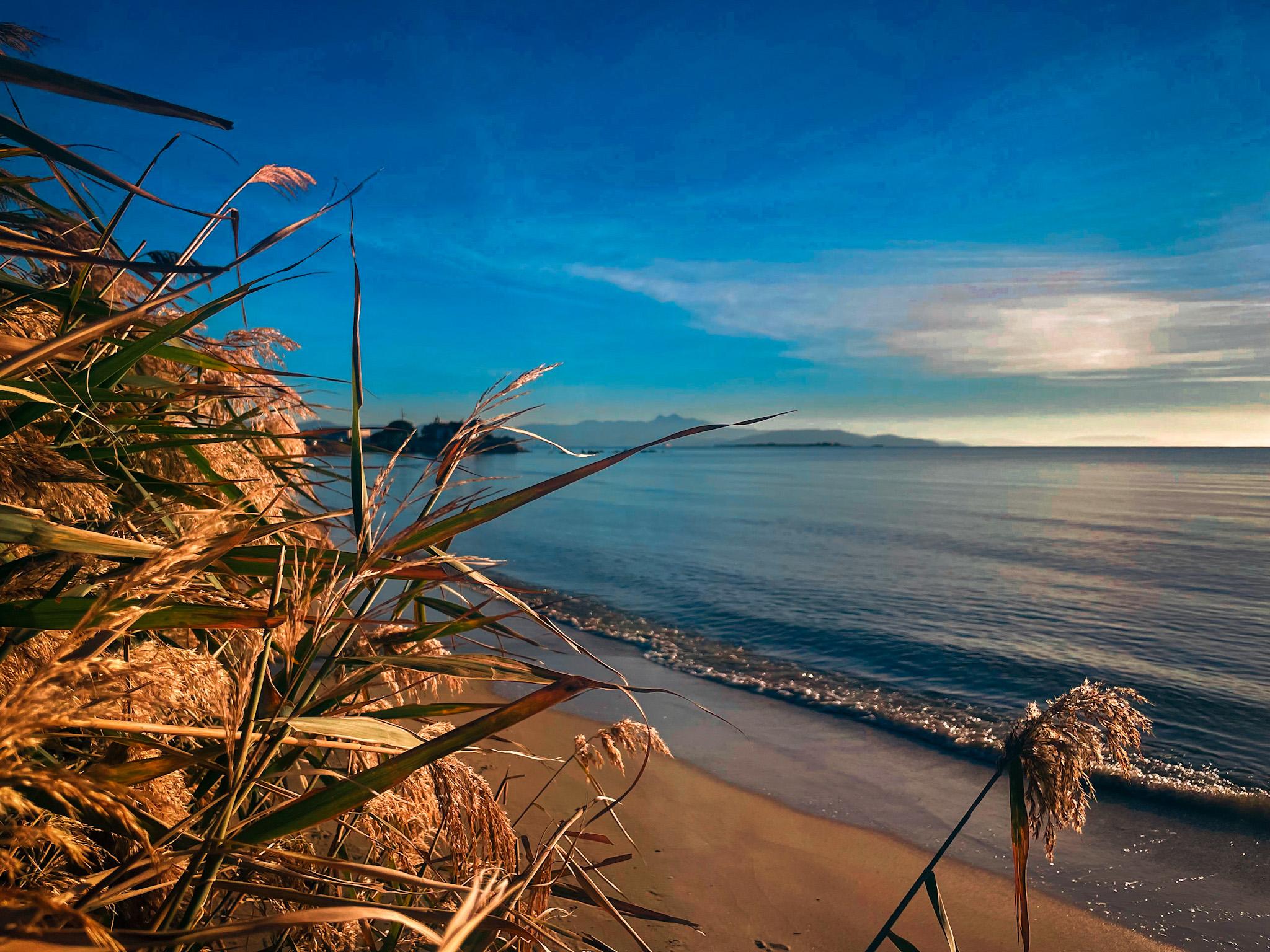
Walking today along the beaches and hills of Artemida, it’s easy to understand why her cult flourished here. The landscape still carries echoes of ancient belief, and knowing Artemis’s story transforms the town from a simple seaside resort into a place filled with symbolic depth.
Mistress of Animals and Huntress of Balance
One of Artemis’s oldest titles was Potnia Theron, meaning “Mistress of Animals.” The name dates back to Minoan and Mycenaean times, long before classical Greece. Even then, Artemis was seen as the ruler of the wild - nature beyond human control.
Her role was deeply paradoxical. Artemis was both the goddess of the hunt and the protector of animals, especially their young. Hunting was allowed, but only under strict ethical rules. It was meant to be necessary and respectful, never an act of cruelty or pride. In this sense, Artemis represented the ideal hunter - one who understood that humans are part of nature, not its masters.

Her anger was legendary. Anyone who disrupted this balance risked severe punishment. A classic example is the myth of Agamemnon, who killed a sacred deer in a grove dedicated to Artemis. As punishment, the Greek fleet was trapped at Aulis, unable to sail for Troy, until Artemis demanded the sacrifice of his daughter, Iphigenia. The story shows that violating Artemis’s boundaries had consequences that were not only religious but political and social as well.
Artemis was also a goddess of boundaries and transitions. Her sanctuaries were often built in liminal places - where cultivated land met wilderness, near river mouths, wetlands, forests, or rocky coastlines. These spaces were neither fully human nor entirely wild.
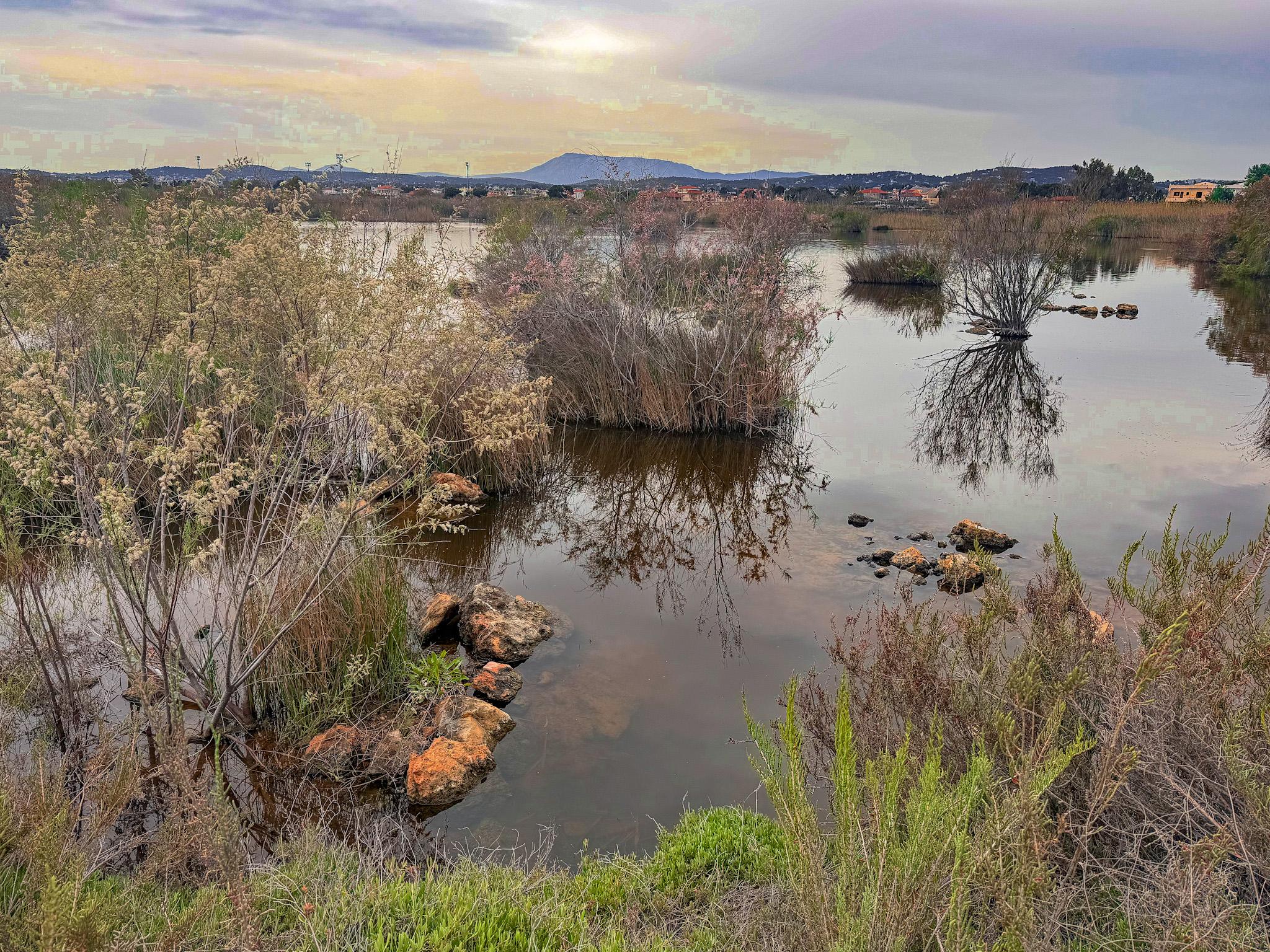
For visitors in Artemida today, the proximity of the sea and the ancient wetlands of Vravrona perfectly reflects this ancient preference. This landscape - between land and water, settlement and nature, was ideal for the worship of a goddess who guarded balance, thresholds, and the natural order of the world.
Why Artemida?
For centuries, the area now known as Artemida functioned as the ancient deme of Halai Araphenides, an important religious hub in Attica. Two major forms of Artemis worship intersected here: Artemis Tauropolos and Artemis Brauronia. When Loutsa officially became Artemida in 1977, it was a symbolic act of restoration rather than simple rebranding.
Artemis Tauropolos - Mythology on the Shoreline
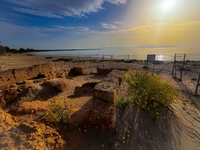
Walking along Artemida’s coastline today, it’s hard to imagine that the remains of an ancient sanctuary lie almost on the beach. Yet this is exactly where the Temple of Artemis Tauropolos once stood. Discovered in 1925 and studied more thoroughly in the mid-20th century, the temple dates to the late 5th century BCE and followed the classical Doric style, surrounded by columns.
The name “Tauropolos” hints at a darker aspect of the goddess. According to Euripides’ Iphigenia in Tauris, Orestes and Iphigenia arrived here after fleeing the distant land of Tauris, bringing with them a sacred wooden statue of Artemis said to have fallen from the sky. This cult was far from gentle. During the festival of Tauropolia, symbolic rituals recalled ancient human sacrifices, later replaced by ritual bloodletting. These ceremonies acknowledged the dangerous, untamed side of Artemis - the ruler of life at the edges of civilization.
Archaeological finds reveal that worship here predates the classical temple by centuries. Pottery from the Geometric period shows that people were honoring Artemis on this shoreline as early as the 7th century BCE. Nearby, a smaller shrine likely served as a place for offerings brought by worshippers from across Attica.

Brauron - Where Girls Became Women
Just a few kilometers south of Artemida lies Brauron, one of the most emotionally powerful archaeological sites in Greece. Here, Artemis was worshipped not as a distant deity, but as a guardian of everyday human transitions, especially those of women.
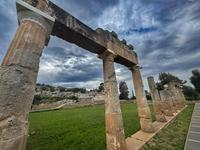
The sanctuary rests in a quiet valley near the Erasinos River and includes a temple, a stone bridge, and a monumental stoa shaped like the Greek letter Pi. Within this colonnade lived the girls who took part in the ritual of Arkteia, a symbolic passage from childhood to adulthood. These girls were called the “bears of Artemis” and were prepared for their future roles as women, wives, and mothers.
Today, Brauron feels serene and contemplative. Walking among its ruins, surrounded by wetlands and open sky, it’s easy to understand how deeply this landscape shaped ancient imagination. Together with coastal Artemida, it forms a sacred map that turns an ordinary vacation into a journey into the heart of ancient Attica.
Why Did Girls “Become Bears”?
If one tradition best explains Artemis’s importance in this region, it is the ritual of Arkteia. The key lies in the arktoi - the “little bears.” According to myth, a tame bear once lived in Artemis’s sanctuary. When it injured a young girl, her brothers killed the animal in revenge. Artemis, outraged by this violation of her sacred space, sent a plague upon Athens. The oracle declared that the only way to appease the goddess was for every girl to serve Artemis as a “bear” before marriage.
Thus, Arkteia was born, one of the most important rites of passage in ancient Attica. Girls aged roughly five to fourteen took part in dances, races, and simple ceremonies. This was more than religious formality- it was a controlled period of “wildness” before entering adult responsibilities. The girls wore saffron-colored robes called krokotos, meant to resemble a bear’s fur and symbolize their connection to Artemis’s wild nature. At the end of their service, the robes were ceremonially removed, marking the transition from childhood to adulthood.
The Archaeological Museum of Brauron preserves remarkable evidence of these practices. Small statues of young girls holding rabbits or birds, with carefully carved hairstyles and clothing, allow modern visitors to connect emotionally with children who lived and worshipped here 2,500 years ago.
Iphigenia - From Sacrifice to Priestess
Another important figure tied to Artemis is Iphigenia. While she is usually remembered as the daughter Agamemnon was forced to sacrifice, Attic tradition tells a different story. According to local belief, Iphigenia survived and later settled in Brauron. There, she became Artemis’s first priestess and guardian of the sanctuary keys. After her death, she was buried within the sacred precinct, and her tomb became a place of special importance for women.
A moving custom developed around her grave: women offered garments belonging to mothers who had died in childbirth. This practice honored both the dead and the goddess, acknowledging that Artemis protected life while also standing close to death. Through Iphigenia, Artemis became not only a mythological figure but a deeply human presence in women’s lives.
Did Artemis Always Look the Same?
Spending time in Artemida, it’s easy to feel that Artemis belongs here. Yet she had many faces across the Greek world. Nowhere is this clearer than when comparing Attic Artemis with her most famous counterpart in Ephesus. In Ephesus, Artemis was worshipped as a Great Mother goddess of fertility, abundance, and prosperity. Her statues - covered with rows of breasts or symbolic eggs, emphasized her life-giving power. Her temple, one of the Seven Wonders of the Ancient World, functioned as a religious, economic, and political center, attracting merchants and rulers from across the Mediterranean.
In Attica, Artemis remained the virgin huntress, tied to forests, wetlands, and boundaries. She watched over transitions - between nature and civilization, childhood and adulthood. Rather than wealth and trade, her cult focused on family life, education, and personal growth.
This local grounding is what makes Artemis of Attica feel so close and human. She wasn’t a distant, monumental deity, but a presence woven into daily life, into fears, hopes, and the rhythm of growing up. And perhaps that’s why her story still lingers here, in ruins, landscapes, and the quiet power of place.