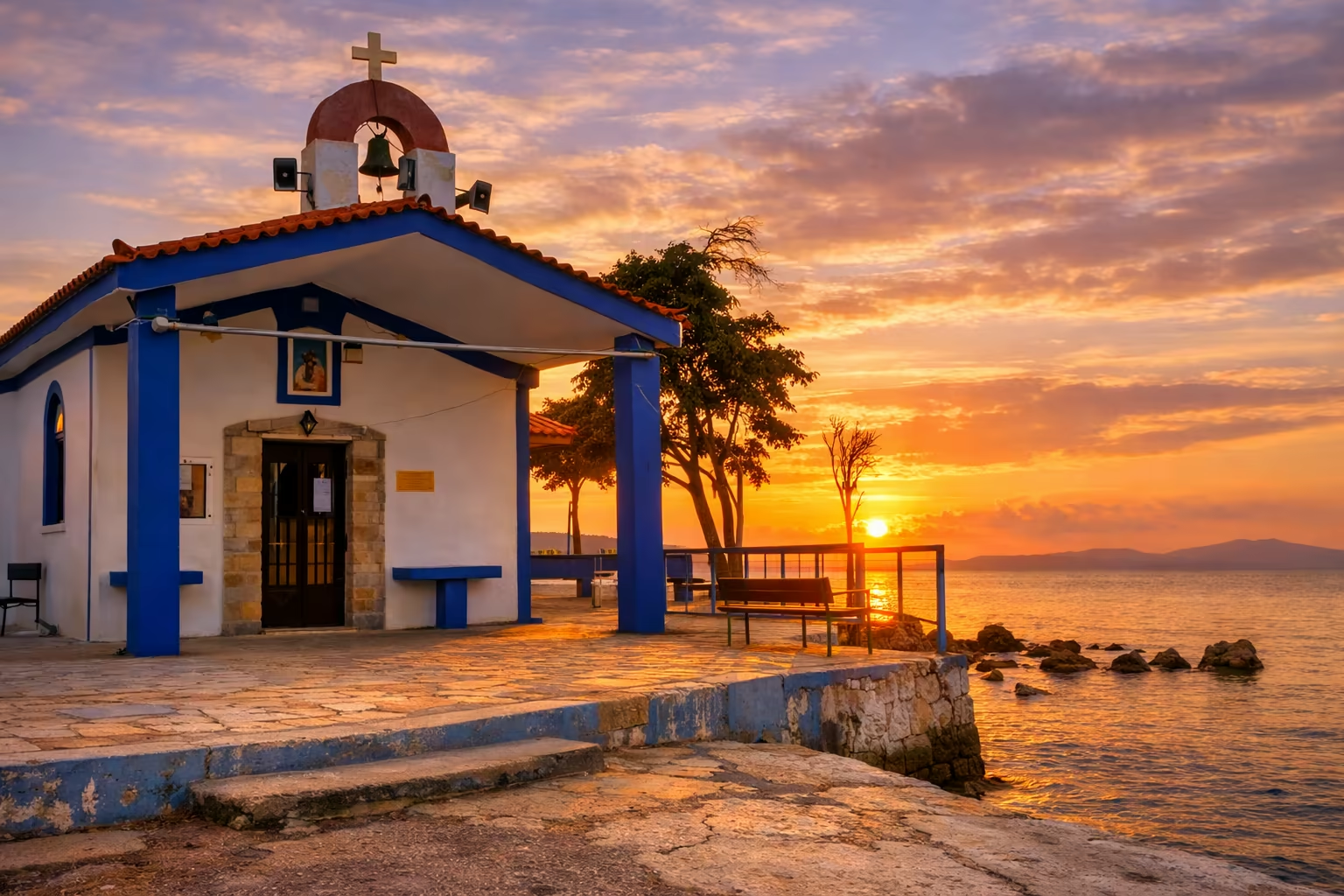
Is Artemida, Greece Safe to Stay? What Tourists Need to Know Before Booking Near Athens
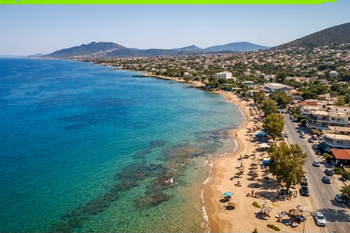
Artemida, known to many travelers by its former name Loutsa, is located just outside Athens. On one side, the international airport is practically within arm’s reach; on the other, long sandy beaches stretch along the Aegean Sea. Between these two worlds unfolds the everyday, year-round life of a local community - far removed from the artificial, seasonal atmosphere associated with many Mediterranean resort towns.
It is precisely this unconventional mix that causes questions about safety in Artemida to resurface regularly among people planning a vacation near Athens. Especially for travelers organizing a stay in the Greek capital, Artemida often appears as an intriguing yet unfamiliar alternative. However, this is a subject that cannot be reduced to a simple crime-rate table or a handful of statistics.
Artemida operates within a very specific tourism microclimate, entirely different from the Greek islands or isolated all-inclusive resorts. Understanding safety here requires looking at how the town actually functions on a daily basis.
A Town With Multiple Functions, Not a Seasonal Resort
Artemida plays several roles at once: it is a residential extension of Athens, a transit point for travelers arriving in Greece, and an independent seaside holiday destination. In practice, this means a constant presence of local residents, functioning public services, and infrastructure designed for everyday use rather than seasonal peaks.
As a result, Artemida does not resemble a resort town that “goes to sleep” once summer ends. Instead, it remains active throughout the year. For many travelers, this continuous rhythm of life is a significant advantage. A town that functions year-round tends to feel more predictable, more stable, and ultimately safer than destinations dependent entirely on seasonal tourism.
Safety in Artemida Within the Broader Context of Greece
Any assessment of vacation safety in Artemida must be framed within the broader security situation in Greece as a whole. In 2025, Greece remains one of the safest tourist destinations in the world. The U.S. Department of State classifies Greece as Level 1, the lowest advisory category, which simply recommends exercising normal precautions, no different from most Western European countries.
Political stability in Greece throughout 2025 and into 2026 remains high. The country functions as a mature democracy with a predictable legal and administrative system. This stability is especially relevant for tourism, one of the pillars of the Greek economy. Public institutions - including emergency services, police forces, and the healthcare system - are well prepared to respond to both natural and social emergencies. While large cities such as Athens or Thessaloniki occasionally experience demonstrations, these are generally peaceful and closely monitored by law enforcement. For tourists staying in coastal towns of Eastern Attica, including Artemida, such events are virtually unnoticeable and have no impact on the comfort or safety of their stay.
Crime in Greece and What It Means for Tourists
Compared to many European countries, Greece stands out for its very low level of violent crime. Serious incidents targeting foreign tourists are rare, and in tourist areas police presence is clearly visible, particularly during the summer season. The most common risks remain minor and familiar: pickpocketing, petty theft, or small-scale scams, issues encountered in nearly every popular destination in Europe.
Artemida, however, is not a place where such incidents occur on a large scale. It does not follow the model of a purely seasonal resort that empties out after summer. Because the town remains inhabited year-round, public spaces are naturally supervised by residents, local business owners, and families. This everyday presence significantly limits the formation of problematic zones typical of strictly tourist enclaves.
Artemida as a Transit Town and a Coastal Extension of Athens
Due to its proximity to the airport, Artemida serves as a natural overnight base for Athens. Many travelers stay here for one or several nights either before departure or after arrival. This creates a steady yet predictable flow of visitors rather than sudden seasonal surges. This character has a positive impact on safety. Transportation, road networks, and public services are designed for constant use, not just for short holiday peaks. Infrastructure remains operational and monitored throughout the year.
At the same time, Artemida has retained its local Greek identity. It is not a district of gated resorts but a functioning town with tavernas, cafés, schools, and municipal offices. For visitors, this means not only a more authentic experience of mainland Greece but also a greater sense of security derived from being surrounded by a permanent local community.
High-Profile Incidents and Media Perception vs. Reality
When planning a vacation in mainland Greece, travelers may encounter online reports about isolated criminal incidents that appear alarming due to their media coverage. Artemida itself appeared in international headlines in September 2023 following a shooting in which six men linked to a Turkish criminal organization were killed.
It is important to clearly separate media attention from actual risk to tourists. Investigations conducted by Greek police confirmed unequivocally that the incident was the result of internal conflicts between members of foreign criminal groups. It had no connection whatsoever to the local population or to tourism.
Tourist areas, such as beaches, the seaside promenade, restaurants, and residential neighborhoods - were neither targets nor settings for these events. From a traveler’s perspective, the incident had no practical impact on safety in Artemida.
Safety After Dark, Nightlife, and Getting Around at Night
One of the most common questions people ask when planning a trip is whether Artemida is safe after dark. Based on both general safety patterns in the area and real traveler experience, the answer is strongly positive. Artemida is widely considered safe for evening and nighttime walks, especially along the seaside promenade and the main commercial streets.
Greek daily life naturally extends late into the night. In Artemida, restaurants and tavernas fill up not only with tourists but also with Athenians who drive out for dinner by the sea. That steady presence of people, combined with street lighting and open businesses, creates a natural form of social oversight that discourages trouble.
For solo travelers, including women, Artemida does not stand out negatively compared to other safe regions of Greece. Serious incidents such as muggings or sexual violence are rare. What can occur, particularly in crowded summer conditions - are the more typical Southern European situations: verbal comments, occasional catcalling, or mildly intrusive remarks. These behaviors are generally not aggressive and rarely escalate.
In practice, basic precautions are enough to feel comfortable: avoid poorly lit side streets very late at night, and if your apartment or hotel is farther from the center or the promenade, use licensed taxis rather than walking long distances alone.
Night Transportation and Returning to Your Accommodation
Because Artemida functions more like a real town than a seasonal resort, its transportation services work more reliably than in many purely tourist destinations. Licensed taxis are easy to find, and apps such as Free Now typically function without issue even late at night. For travelers, that means a convenient and safe alternative to long walks - especially if you’re staying outside the most central area.
The airport’s proximity also tends to increase the visibility of police patrols and generally heightens security awareness in the area. While this is not something tourists necessarily notice moment to moment, it contributes indirectly to the sense that the town remains monitored and predictable even at night.
Natural Risks: Wildfires, Flooding, and Extreme Heat
Ironically, in the context of a vacation in Artemida, the bigger challenge is not crime but nature. The Attica region, despite its coastline and scenic appeal, sits within a Mediterranean climate that has become increasingly extreme in recent years. Summer heat waves and the risk of wildfires are realities that travelers should keep on their radar, especially during peak season.
July and August in particular can bring temperatures that regularly climb above 104°F (40°C). This can be difficult for children, older travelers, and anyone with cardiovascular conditions. Planning around the weather becomes part of traveling smart here, not because Artemida is unsafe, but because heat in Attica can be intense.
Wildfires and the Early Warning System Around Artemida
When thinking about future travel seasons, it helps to understand that the most realistic regional risk is wildfire, not criminal activity. Eastern Attica combines dense suburban development with forested areas, primarily pine, so long dry spells can elevate fire danger.
A crucial factor here is Greece’s nationwide emergency alert system tied to the number 112. It automatically sends SMS alerts to everyone located in a risk zone, regardless of whether they are using a Greek SIM card or a foreign one. These alerts are sent in multiple languages, including English, and they include clear instructions, whether that means evacuating or taking precautions.
Experience from previous years shows that even when fires have appeared in areas near Artemida and Spata, the response from services has generally been fast and effective. The Greek fire service operates in coordination with aerial firefighting resources and civil protection agencies, which improves the ability to defend residential zones and major infrastructure. For tourists, this means the risk of serious harm remains low, provided travelers follow official instructions and do not treat warnings casually.
Heat Waves and Health Safety During Summer Travel
The second major environmental factor is extreme heat. Artemida, like much of Attica, is increasingly affected by intense heat waves. Temperatures above 104°F (40°C) are no longer rare in mid-summer.Artemida does have one advantage over central Athens: its coastal location. Sea breezes can reduce how oppressive the heat feels, especially later in the day and in the evening. Still, that does not eliminate the risk of dehydration or overheating.
For travelers, especially families with children and older adults, the best strategy is to adapt the day’s rhythm: do active sightseeing early in the morning or later in the afternoon, build in shade breaks, and treat hydration as non-negotiable.
UV Exposure and Smart Beach Habits
A related health concern is UV exposure. In summer, the UV index in this part of Greece often reaches very high levels. Long sun exposure without protection can lead to heat exhaustion, sunburn, or even heatstroke. Comfort and safety on the beach depend less on “toughing it out” and more on simple habits: sunscreen, hats, shade, and breaks away from direct midday sun.
Artemida’s Beaches as a Major Advantage
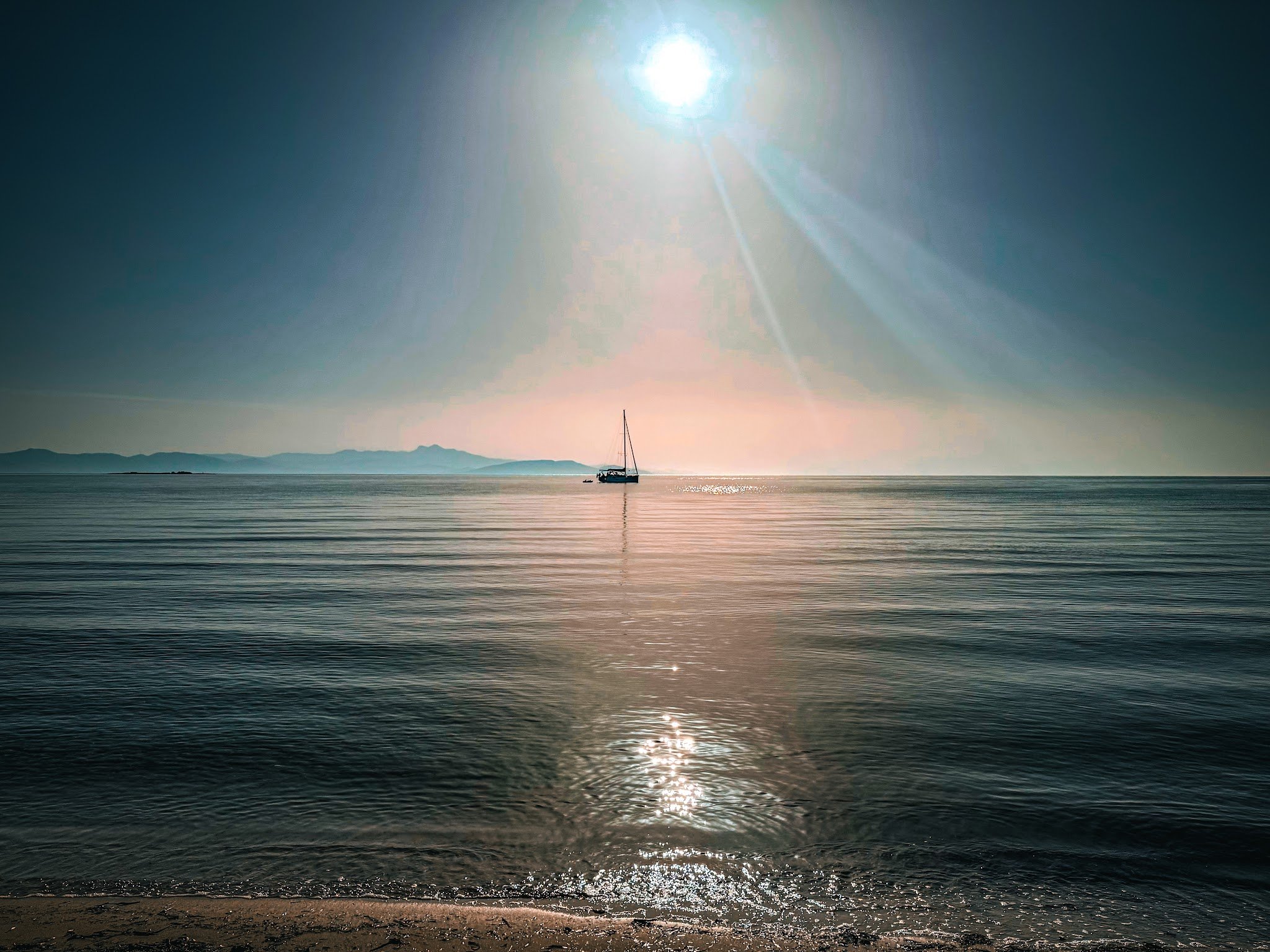
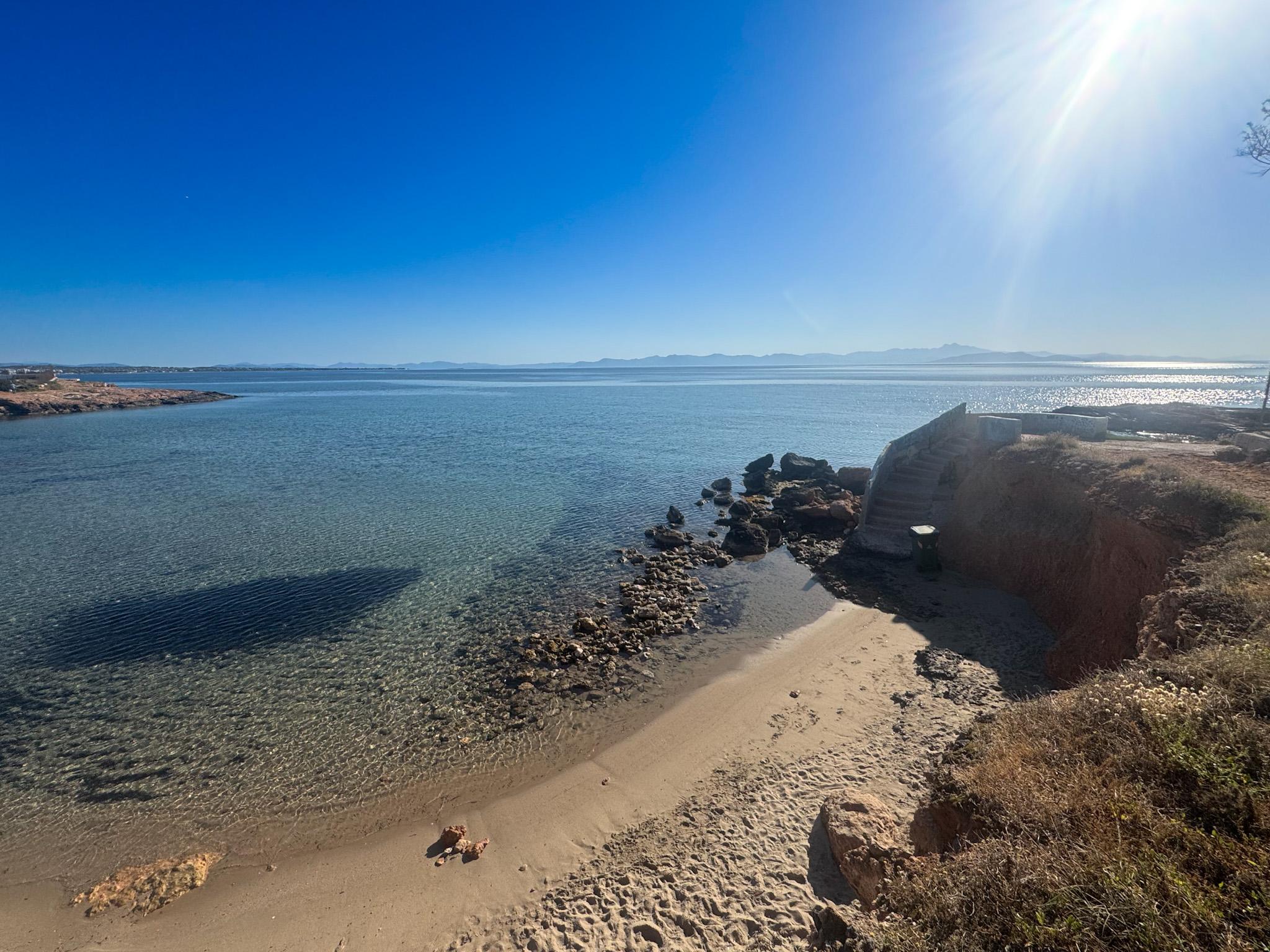
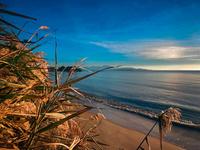
One reason Artemida has been gaining popularity among travelers looking for an alternative to crowded islands is the quality of its beaches. Long sandy stretches along the Aegean are well developed, yet they retain a more local character than the beaches closest to central Athens. In recent years, the municipality of Spata - Artemida has invested in beach infrastructure and environmental protection. The results include continued Blue Flag certifications, an internationally recognized indicator not only of water cleanliness, but also of safety standards, services, and responsible coastal management.
Beaches such as Diastavrosi and Limni are especially popular with families thanks to their gentle entry into the water and regular monitoring of sanitary conditions. In practical terms, that means swimming in Artemida isn’t just “visually nice”, it is supported by consistent oversight and testing.
Water Quality and the Marine Environment
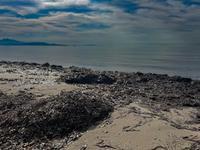
Research and monitoring carried out under Greece’s environmental authorities confirm that the eastern coastline of Attica ranks among the cleanest swimming areas near the metropolitan region. Lower traffic from large commercial vessels and the presence of natural ecosystems help maintain high water quality.
Microbiological monitoring, including levels of Enterococcus and E. coli, shows values well below European limits. An additional, often overlooked advantage is the presence of Posidonia oceanica seagrass meadows, which act as natural filters and help improve water clarity and overall quality. The presence of indicator species such as starfish or seahorses is often seen as another sign of a healthy marine environment, suggesting that the coastal ecosystem in this area remains in good condition.
Swimming Safety and the Role of Lifeguards
Beach safety is not only about clean water. Artemida stands out positively compared with many seaside towns in Greece because of its organized, practical lifeguard system. In summer, beaches are regularly patrolled by certified lifeguards, and their presence is real, visible, staffed, and active.
For travelers with children, this can make a major difference in daily comfort. The bay near Artemida is relatively shallow, and the entry into the water is gradual and long, which naturally supports safer swimming and relaxed family beach time.

That said, no sea is risk-free. A distinctive weather factor in the Aegean is the Meltemi wind, which can arrive quickly during summer and change swimming conditions fast. Strong winds can create stronger currents, including rip currents that may surprise inexperienced swimmers.
Artemida’s beach flag system follows international standards and is meant to be taken seriously. Lifeguards tend to respond quickly when conditions shift, and water restrictions are treated as actual warnings rather than formalities. For tourists, the takeaway is simple: respect the flags and the lifeguards, and the sea is generally safe and enjoyable.
A Destination That Works Well for Families With Kids
From the perspective of families, Artemida is often considered one of the most practical and kid-friendly coastal choices in Attica. Its calmer atmosphere compared to central Athens, wide beaches, and child-oriented ease make safety feel tangible, not theoretical.
There are no cliffs, rocky drop-offs, or steep descents into the water that can make coastal vacations stressful with small children. Instead, the geography here supports an easier, more controlled beach routine, especially for longer stays.

Road Safety: The Area Where Travelers Should Pay the Most Attention
While Artemida is well connected to Athens, road safety is one area where visitors should be especially alert. Driving culture in Greece can feel different from what travelers know from Northern or Western Europe. Drivers can be impatient, and compliance with traffic rules may follow local habits as much as posted signs.
For pedestrians, this means being careful when crossing streets. Even at marked crosswalks, you cannot always assume cars will stop automatically. In parts of Artemida, sidewalks can be narrow, uneven, or discontinuous, which requires extra attention, especially after dark. This does not mean the town is unsafe, but rather that “street-smart” awareness matters. If you treat roads and crossings cautiously, the risk stays manageable.
Artemida as a Base for Exploring Attica and Why That Improves Safety
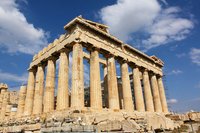
Many travelers choose Artemida not only as a place to relax, but also as a practical base for exploring the wider Attica region. The relatively short travel time to Athens, combined with the town’s close proximity to the airport, makes Artemida a stable “home base” during a stay in the area.
This style of travel often improves safety in very practical ways. Fewer hotel changes mean fewer logistical challenges and fewer moments when travelers are tired, rushed, or disoriented, situations where small mistakes are more likely to happen. Because Artemida functions year-round and is used not only by tourists but also by local residents and business travelers, the town maintains a steady rhythm even outside peak season. That consistency creates a sense of predictability and comfort that many travelers find especially reassuring.

Healthcare Access and Getting Help If You Need It
Vacation safety often comes down to knowing that medical help is actually available, not just listed in a guidebook. Artemida, as part of the Athens metropolitan region, benefits from one of the better-developed healthcare networks in Greece, even if the town itself functions more as a base for primary care rather than advanced hospital treatment.
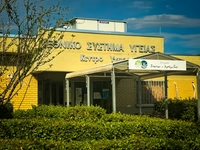
In urgent situations, the first point of contact is typically the 24-hour health center in nearby Spata, which handles injuries, sudden illness, and cases requiring fast intervention. Its proximity to Artemida means short travel times, which can be critical in emergencies. A second health center in Rafina helps support the local urgent-care network as well.
For more serious medical issues, patients are directed to major Athens hospitals, such as Evangelismos Hospital, known for broad general care, as well as private specialist facilities that are experienced in serving international patients. Being close to the capital makes access to advanced diagnostics and treatment easier and faster, even for travelers staying in Artemida only briefly. Artemida also has a strong network of pharmacies, easy to spot by the green cross signage common in Greece. Greek pharmacists have an excellent reputation and are often able to help with minor health problems without a doctor visit, particularly with travel-related issues such as dehydration, skin irritation, or minor infections.
The pharmacy on-call system for nights and weekends works efficiently. Information about which pharmacy is currently open is typically posted directly on pharmacy doors. As a result, even outside normal business hours, access to essential medications and basic guidance remains available.

So, Is Artemida a Safe Place for Vacation?
In summary, Artemida is one of those rare places in mainland Greece that successfully combines a high level of safety with the everyday, lived-in feel of a real coastal town. The lack of mass tourism, the constant year-round presence of a local community, and the town’s close connection to Athens’ infrastructure make it a stable and predictable destination rather than a seasonal resort that shuts down outside of summer.
Seasonality in Artemida is driven largely by Athenians who come to the area during the warmer months for swimming and beach time. This creates a noticeable increase in activity in summer, but it remains mostly local and weekend-oriented, not the kind of overwhelming international tourism seen on popular Greek islands. Artemida is a place where visitors can feel relaxed during daytime walks along the beach and comfortable lingering over dinner by the sea in the evening. It works equally well for families with children, solo travelers, and anyone looking for a calmer, less crowded alternative to heavily touristed island destinations—while still staying close to Athens and all of its services.
Overall, Artemida offers a safe, practical, and authentic base for experiencing coastal Greece without sacrificing comfort, accessibility, or peace of mind.